




Planning and building a treehouse together
By Charlotte McAllister
Early Birds Istanbul employee & Author
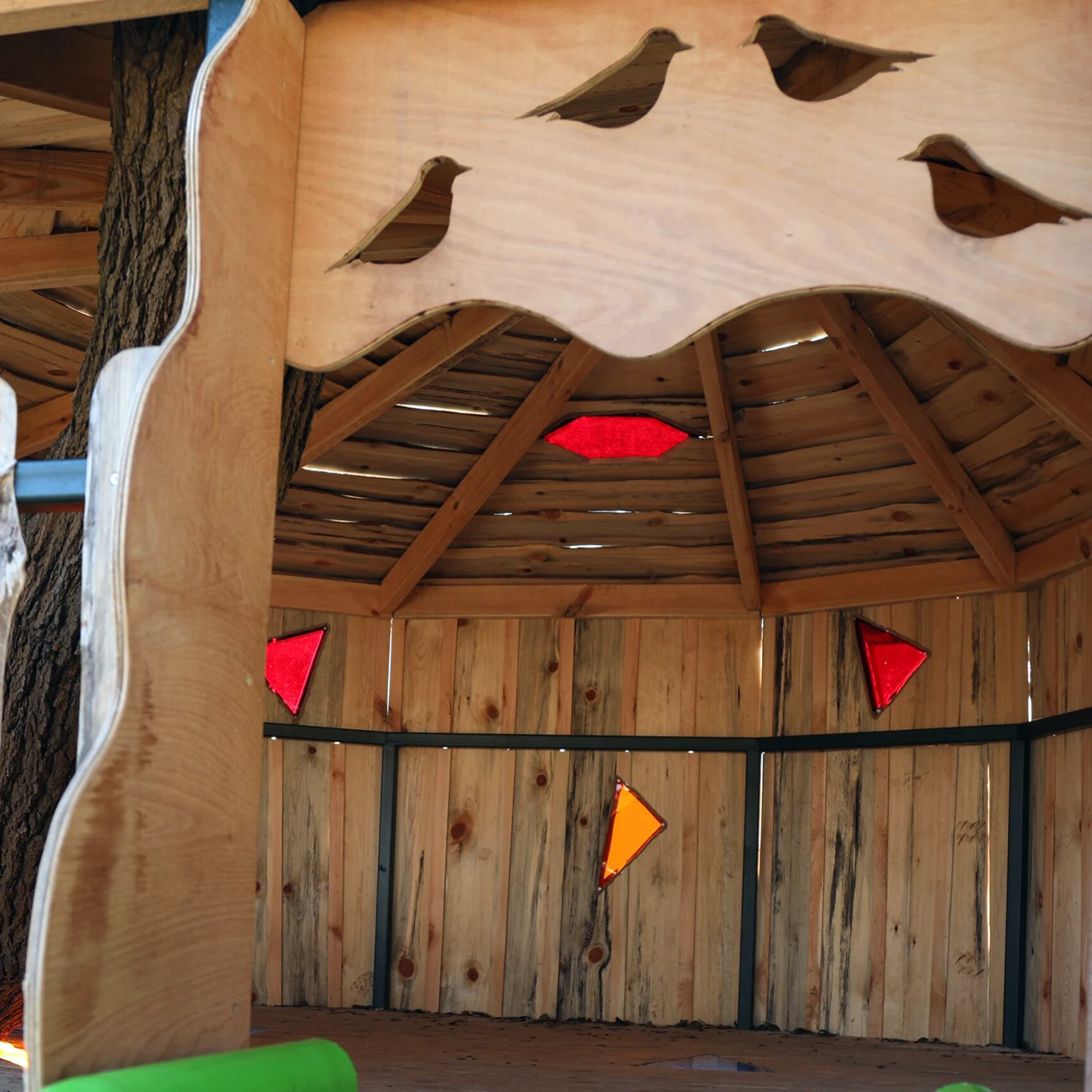
Building a treehouse with children is one of the most challenging and rewarding engineering projects there is. The appeal of a treehouse is timeless: it serves as both a place for adventure and for quiet moments of reflection. It is an extraordinary structure that reflects children's creativity when they are allowed to participate in its design in a self-determined way.

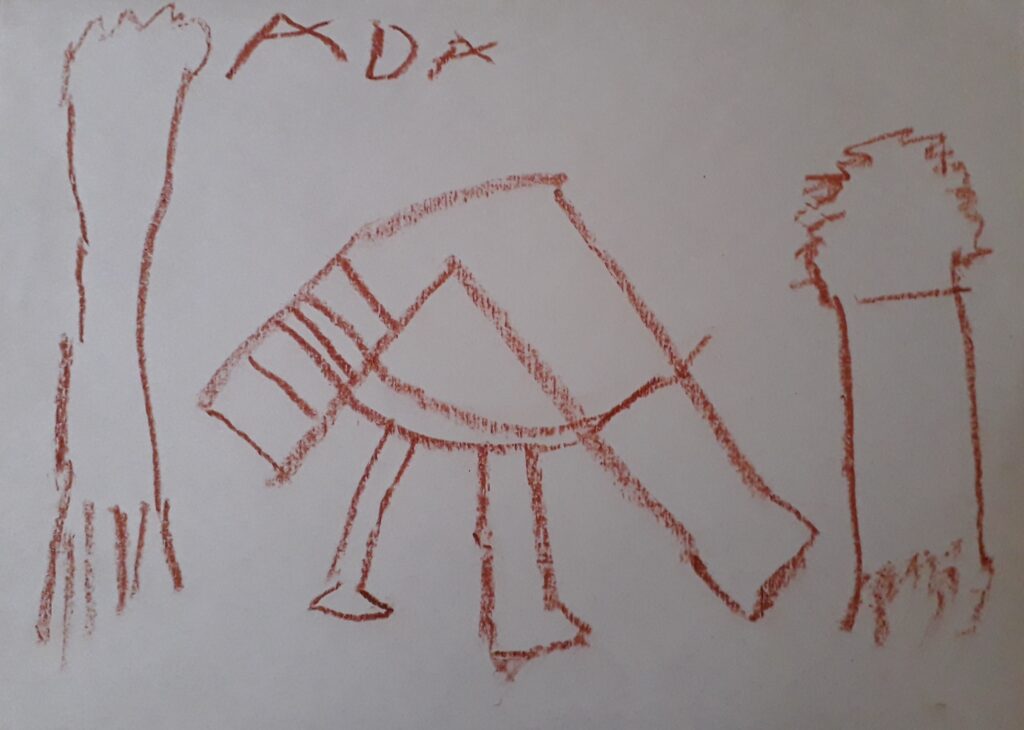
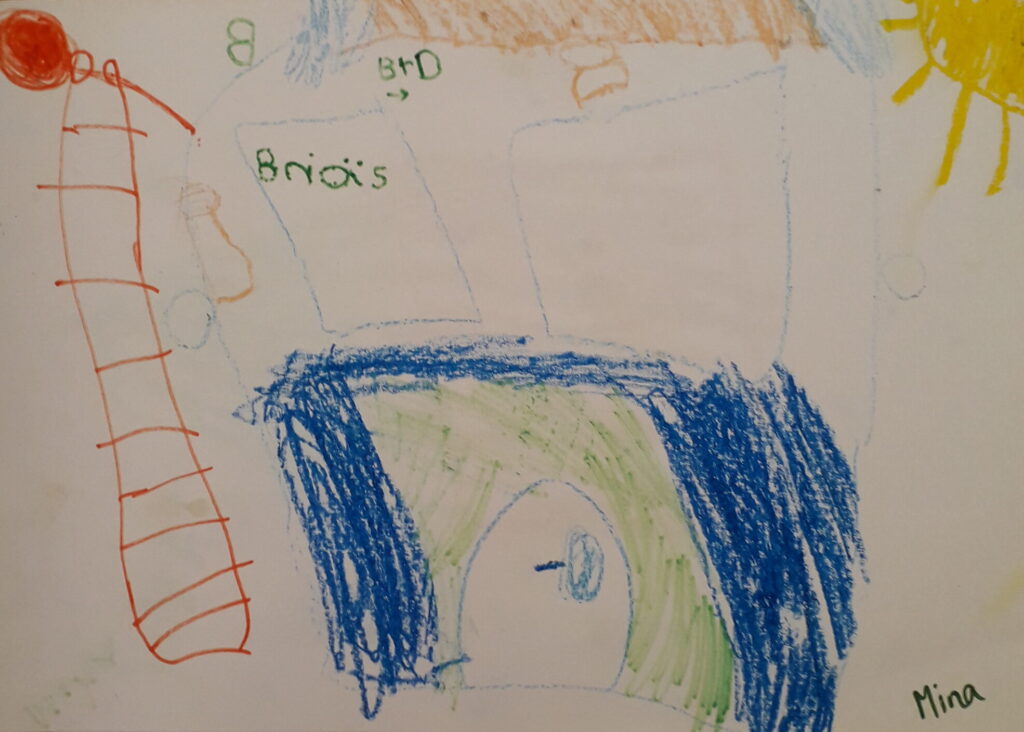
At the EBİ-Nest, the treehouse dominates the rear of the garden and shows what is possible when a child-led engineering project is well thought out, planned, and carefully implemented.
How is an engineering project carried out with children?
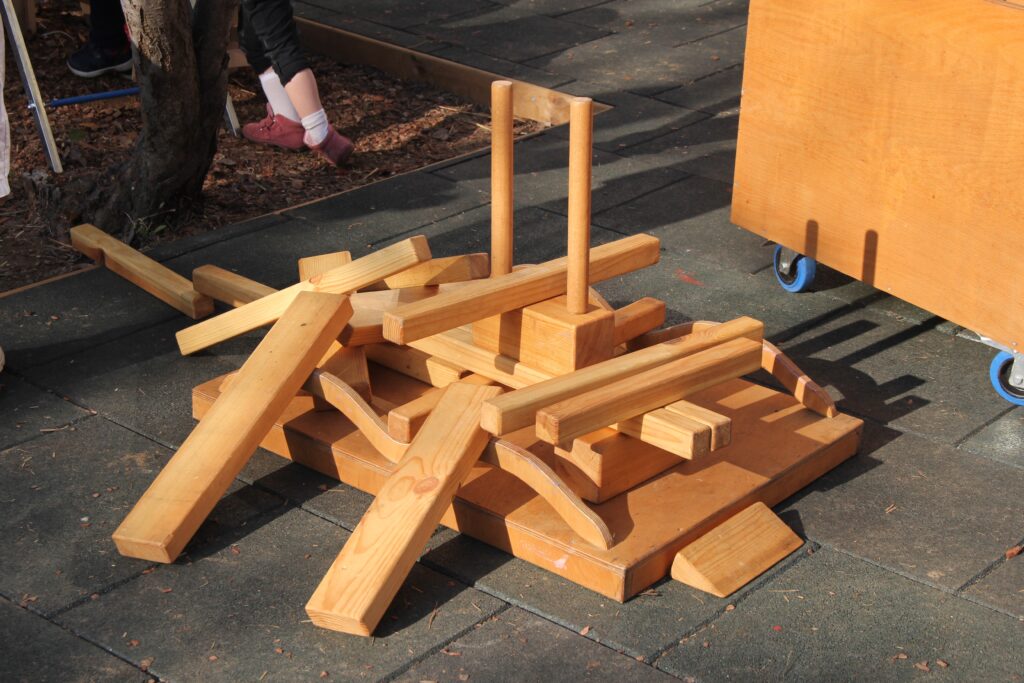
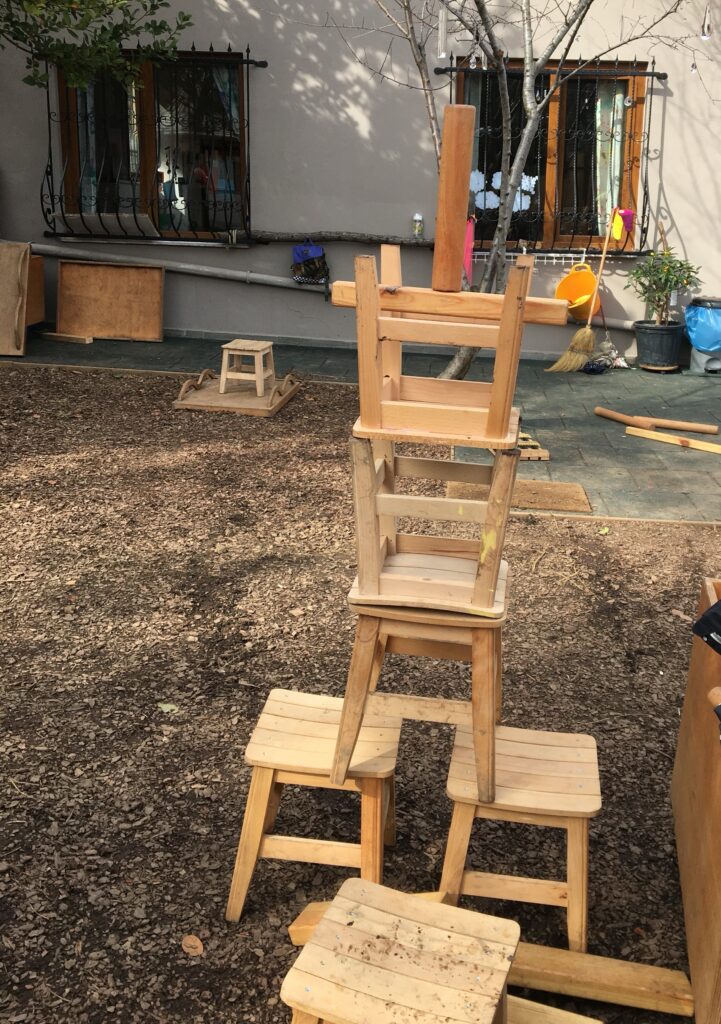
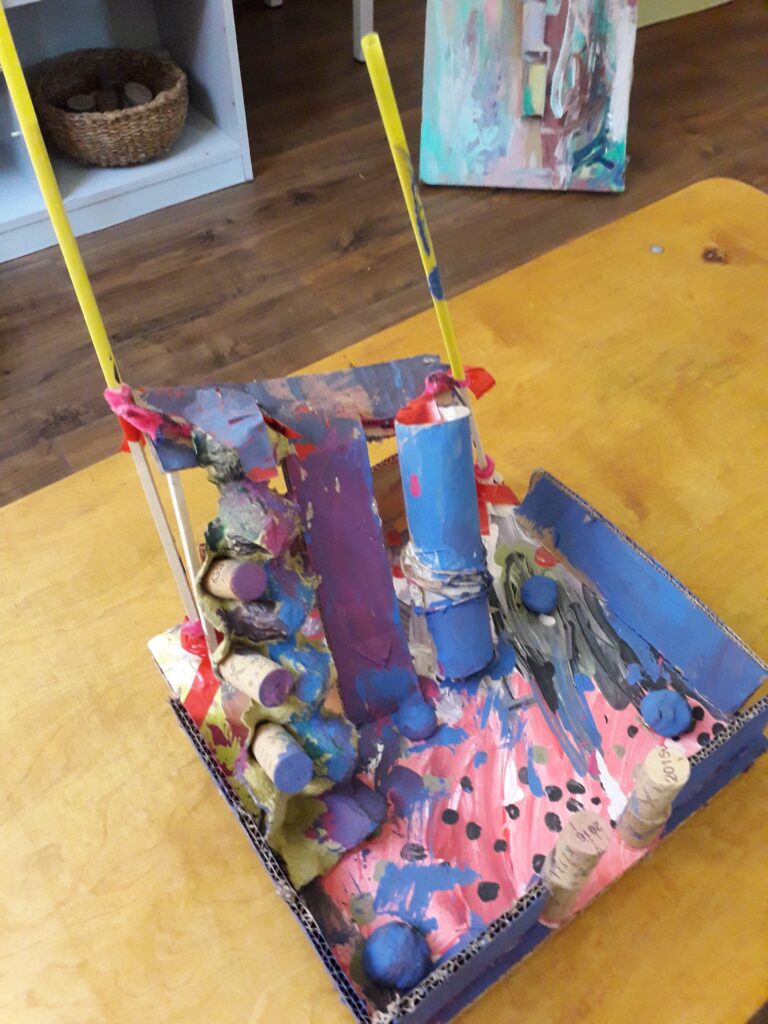
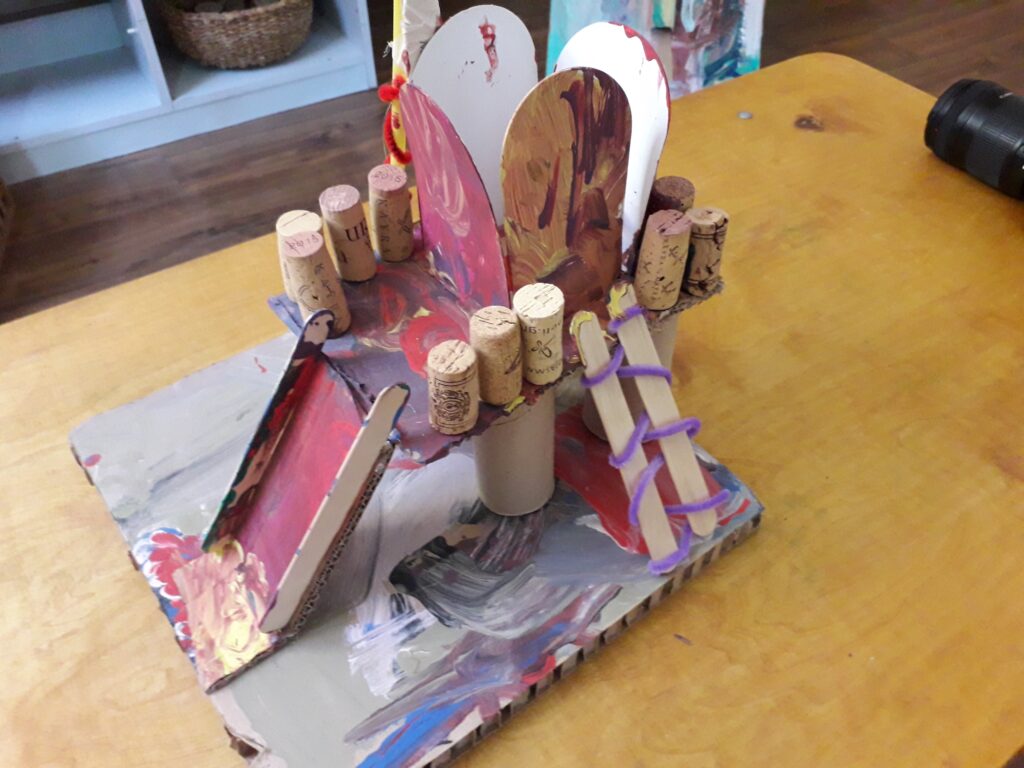
An important aspect of such a large and challenging project with children is to encourage them to build small, functional prototypes from various materials such as wooden stools and blocks, boards, tires, and ropes. This promotes creativity and innovative thinking while allowing the children to test the feasibility of their ideas. Over time, as their confidence and imagination grow, towers, bridges, slides, and mysterious hiding places emerge. These will undoubtedly also be found in the finished tree house.
What needs to be considered during planning?
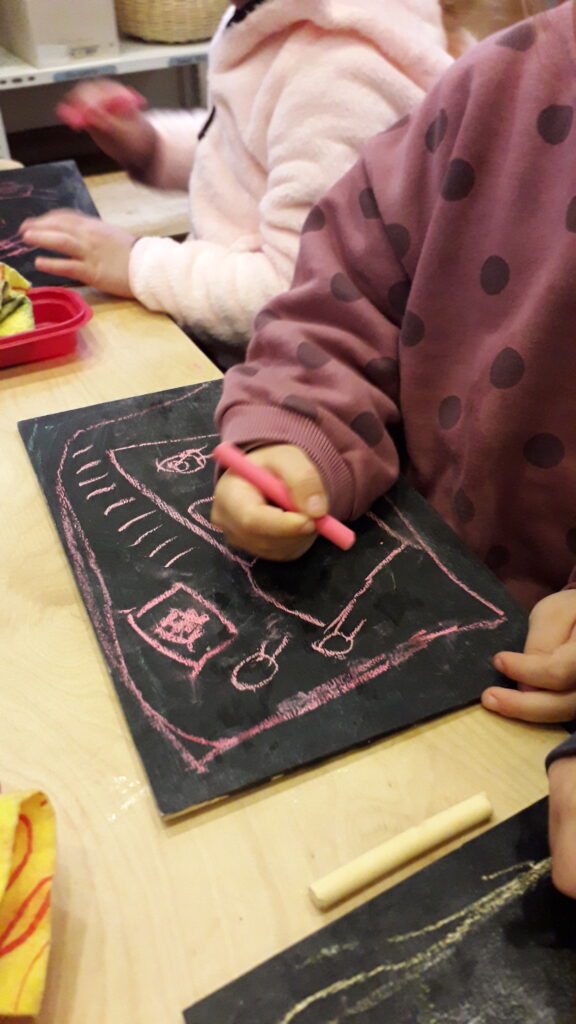
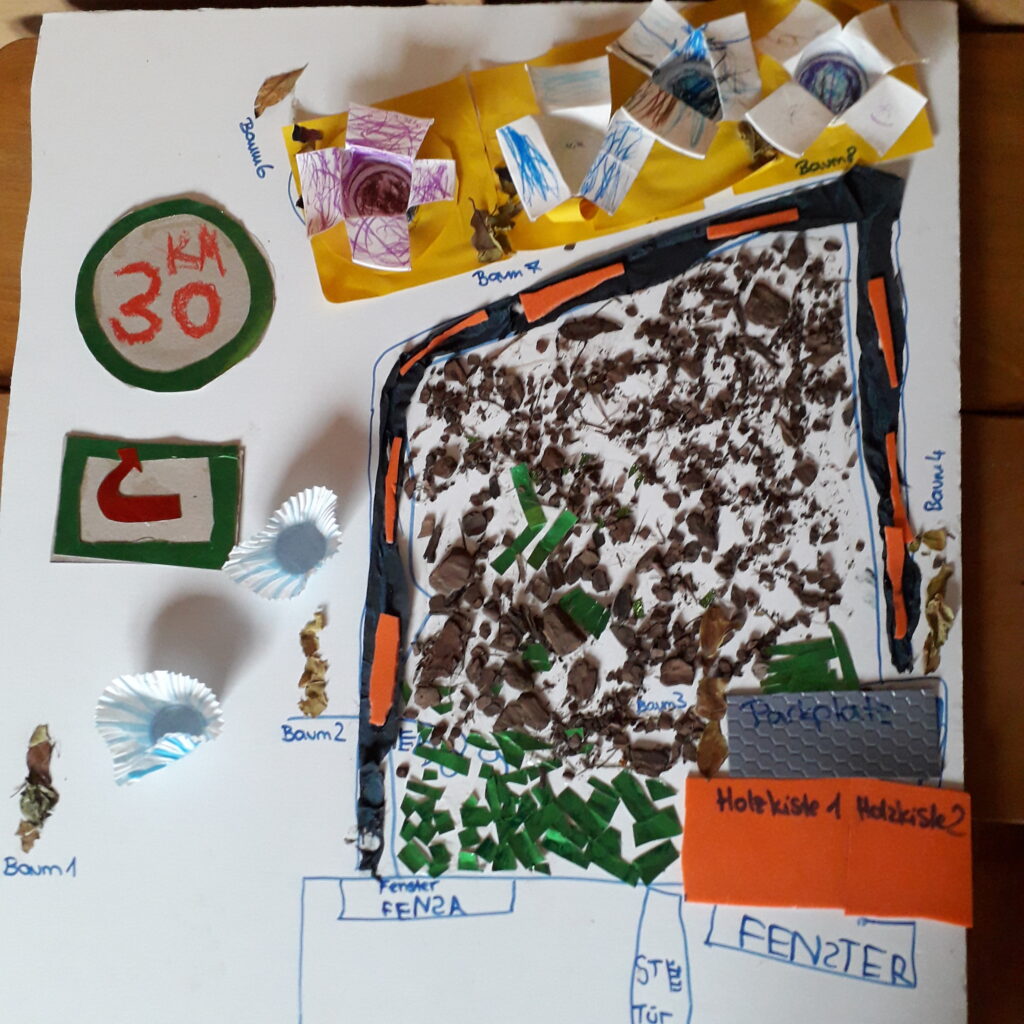
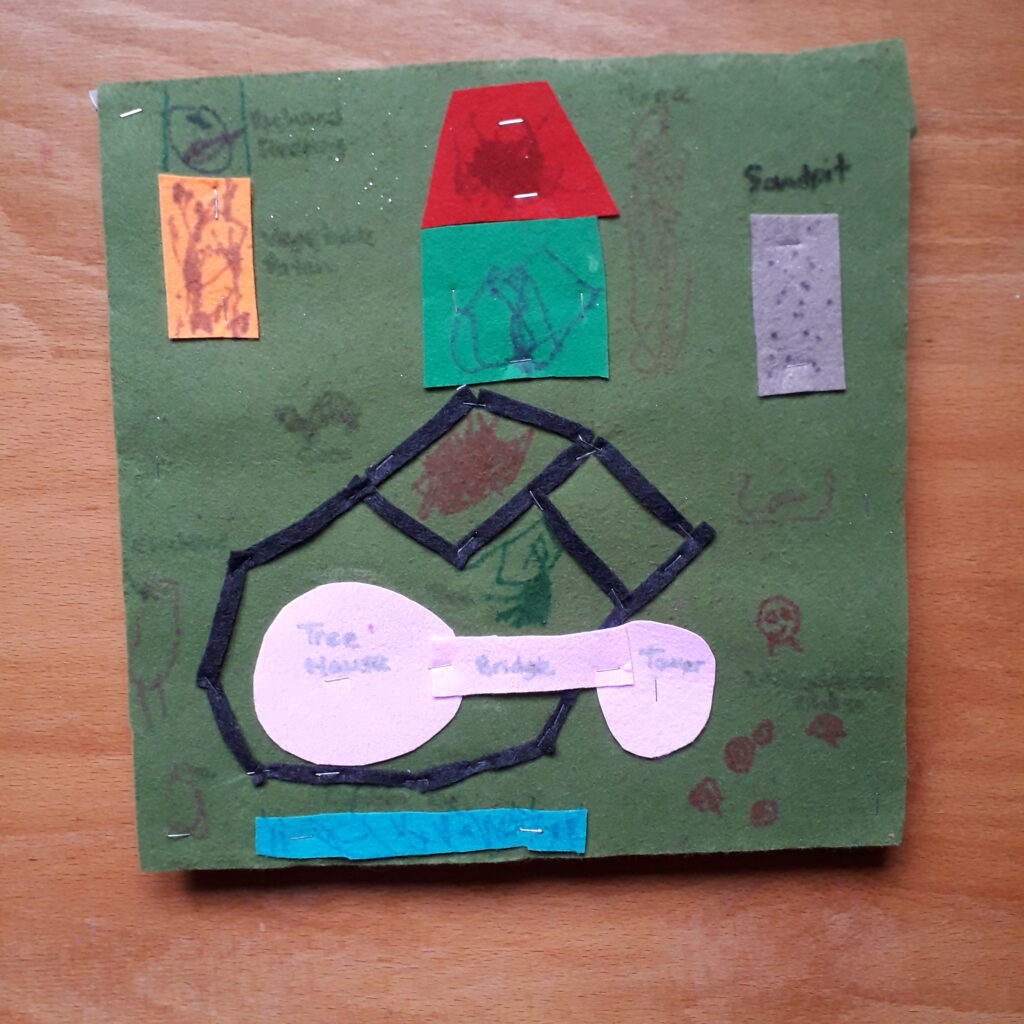
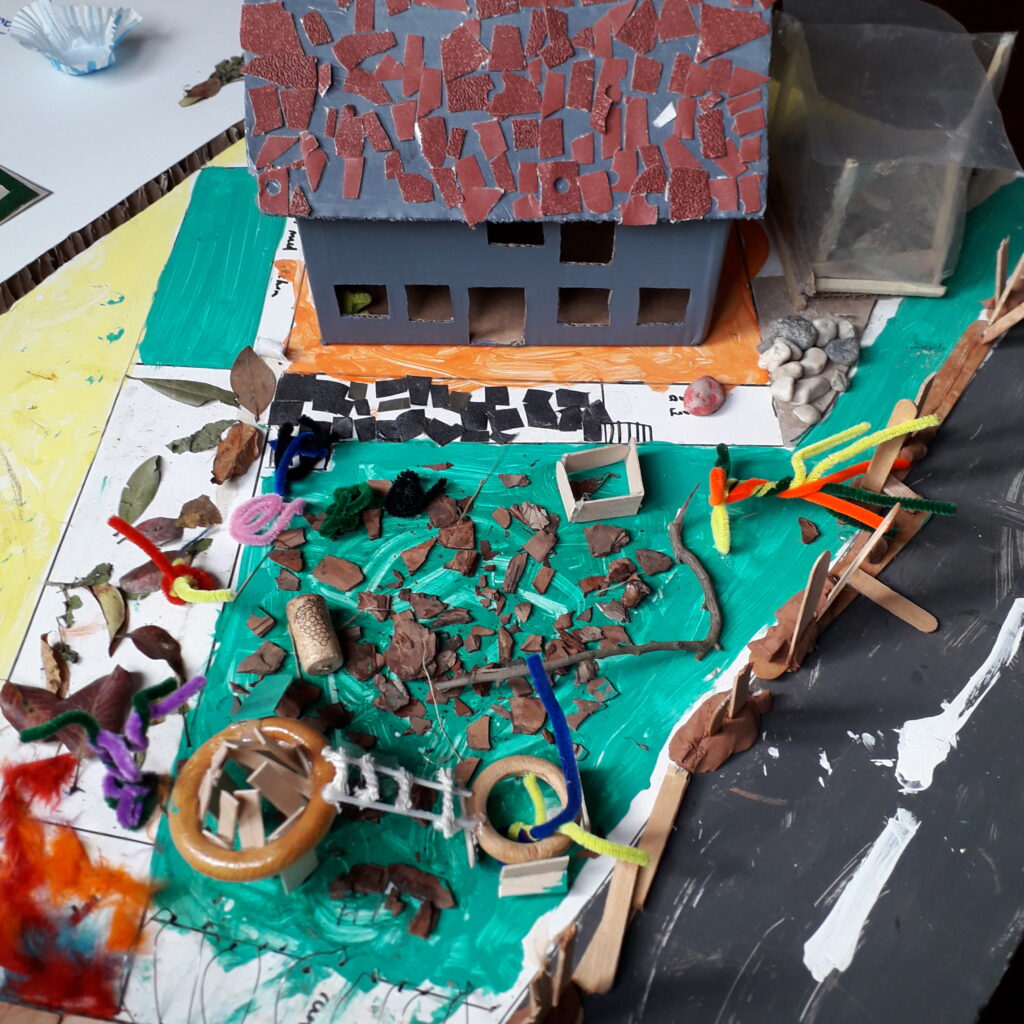
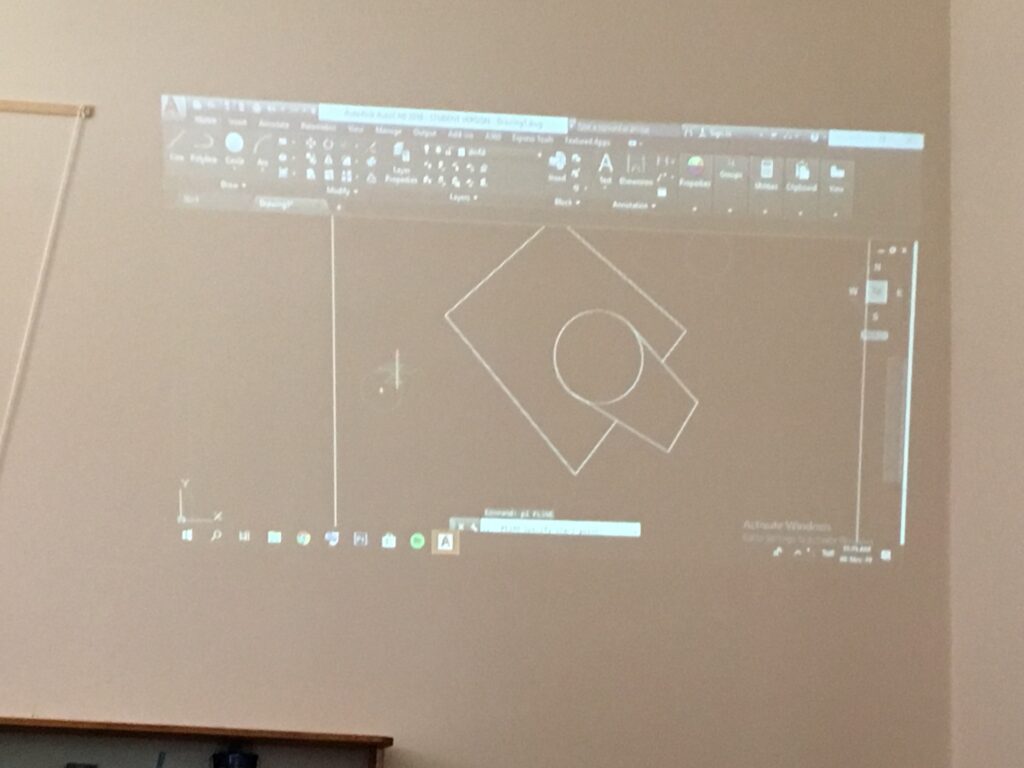
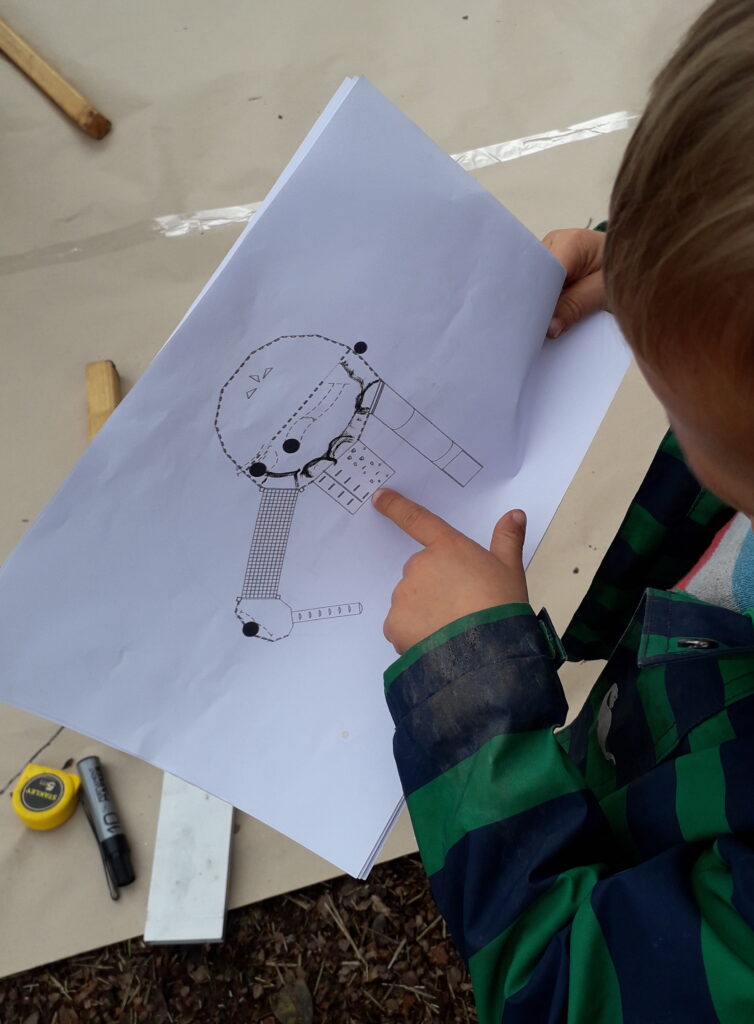
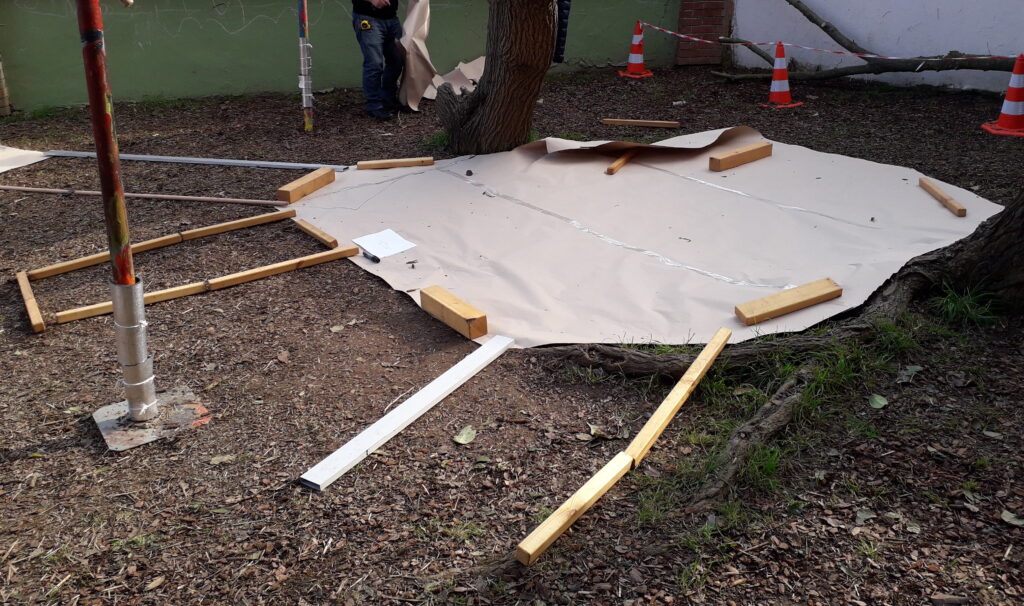
Careful planning is essential. Get inspiration from other playgrounds with tree houses. Measure your outdoor area and assess the risks at the planned location of the tree house. Draw the dimensions of your construction project. Encourage the children to build scale models of the garden and their dream tree house from small, loose parts. Consult experts: landscape gardeners, architects, experienced carpenters, and engineers. Invite them to demonstrate their work processes. Gather all building materials, set up a safety zone, and create a realistic construction schedule.
When are specialists deployed?
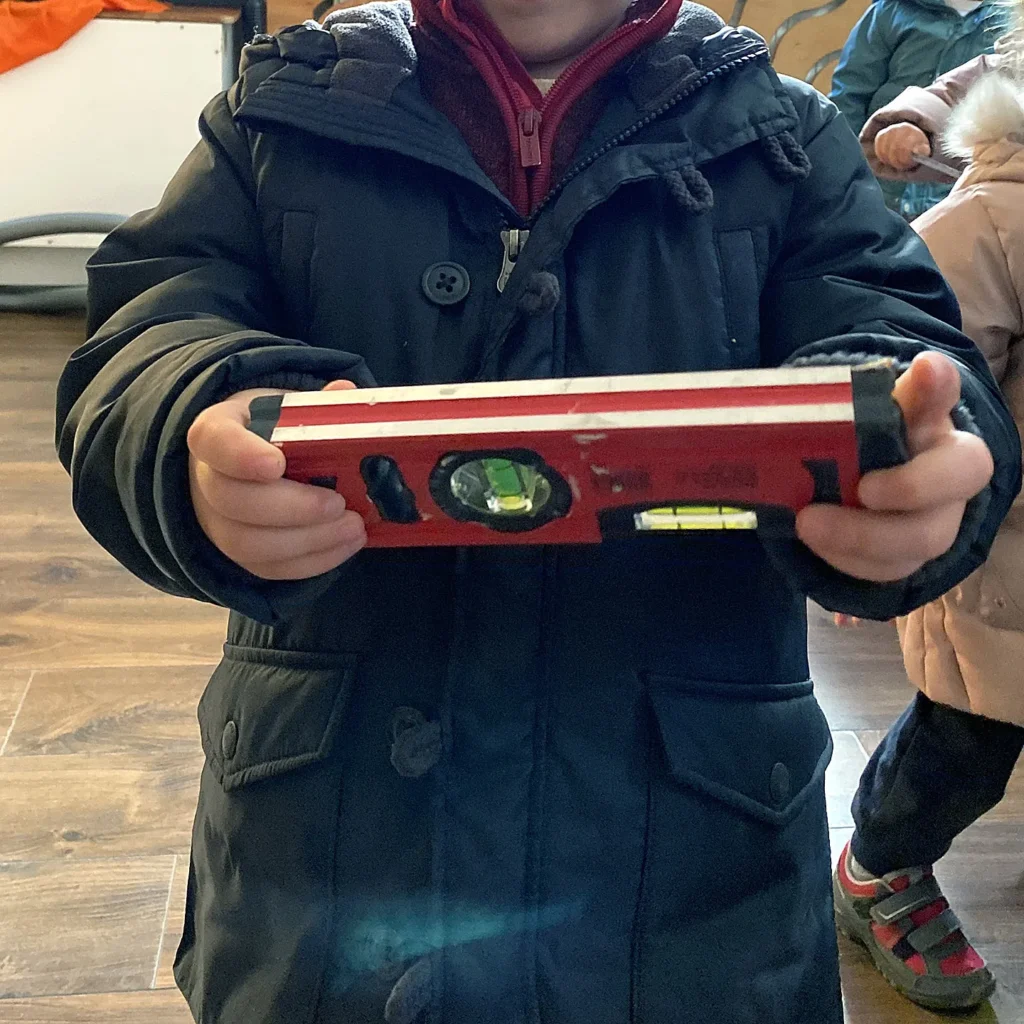
At EBİ, the size of the tree house required the support of skilled workers, who built it in less than a week based on the children's designs. Under supervision, the children themselves also participated by using tools, sanding boards, carrying materials, and practicing safety rules. This made it a truly hands-on, collaborative project.
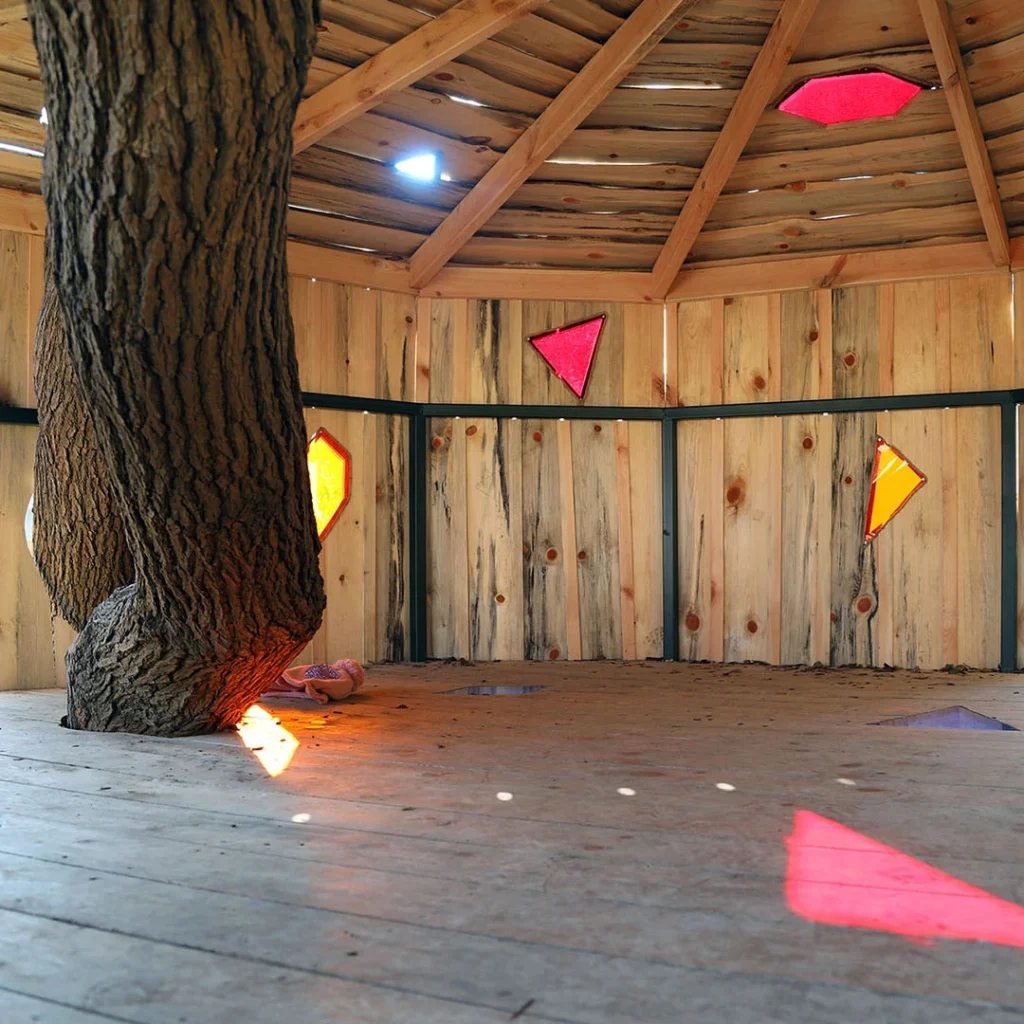
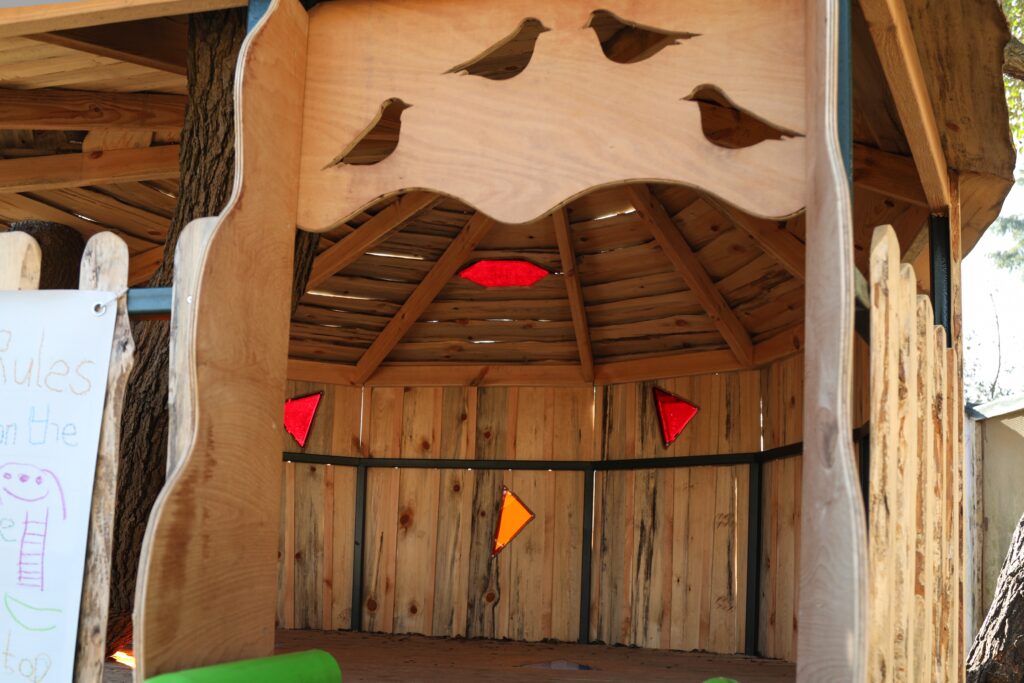
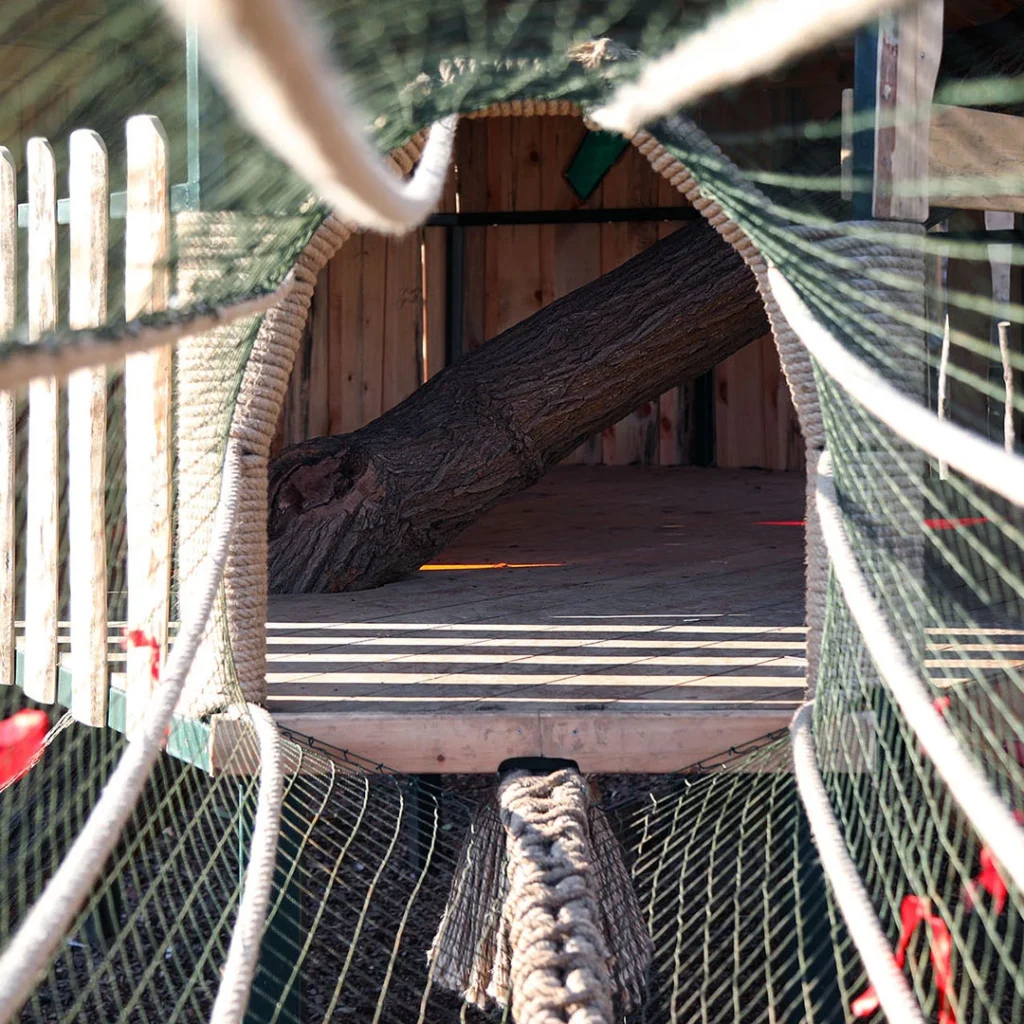
Once the treehouse is complete and has been deemed safe, the children should be free to explore it and ensure that it is functional and meets their creative needs. Work with them to develop rules for the safe and appropriate use of the new play area. Safety is also of utmost importance for the functionality and longevity of the treehouse.
As children use the treehouse, new ideas naturally arise: from adding colorful windows or a rope swing to using the space for storytelling or morning circle time. Such ideas are both the result of and inspiration for ongoing role-play, demonstrating how enriching a treehouse can be for learning. The possibilities for play and learning are limitless. One of the greatest advantages of the treehouse is its versatility and adaptability: it evolves with the children who use it and offers each child a unique and profound experience.

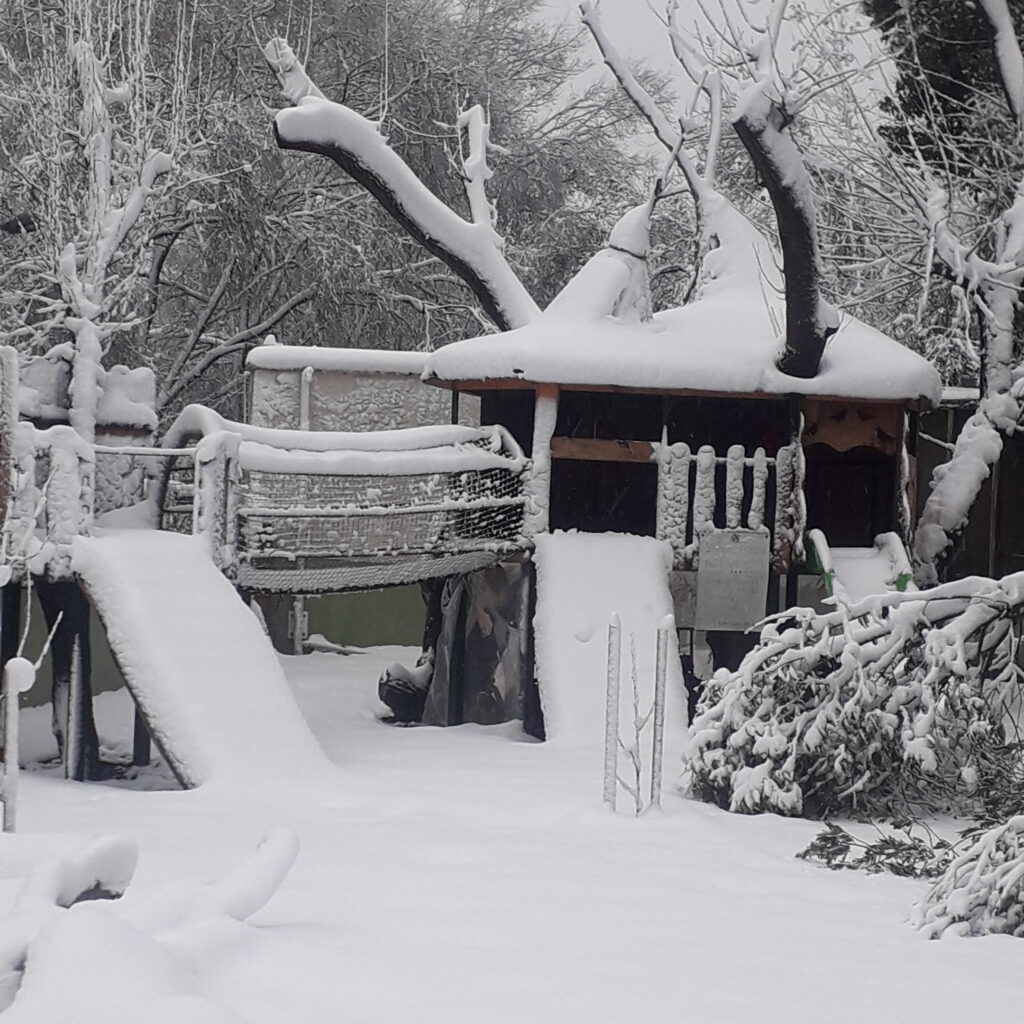
Such a demanding construction project with children may seem challenging at first, but with the right foundations, it is entirely feasible and an impressive example of project-based learning in practice. In such an environment, spaces like a treehouse are ultimately not optional extras: they are an integral part of how learning is experienced and developed.
If you want to build a treehouse, you've come to the right place!