




By Charlotte McAllister
Early Birds Istanbul employee
In addition to the project-based learning approach, our program offers the children at Early Birds Istanbul Kindergarten a unique and flexible opportunity to acquire new skills. Everything we do and experience together has immeasurable learning value.
How can we enhance learning situations?
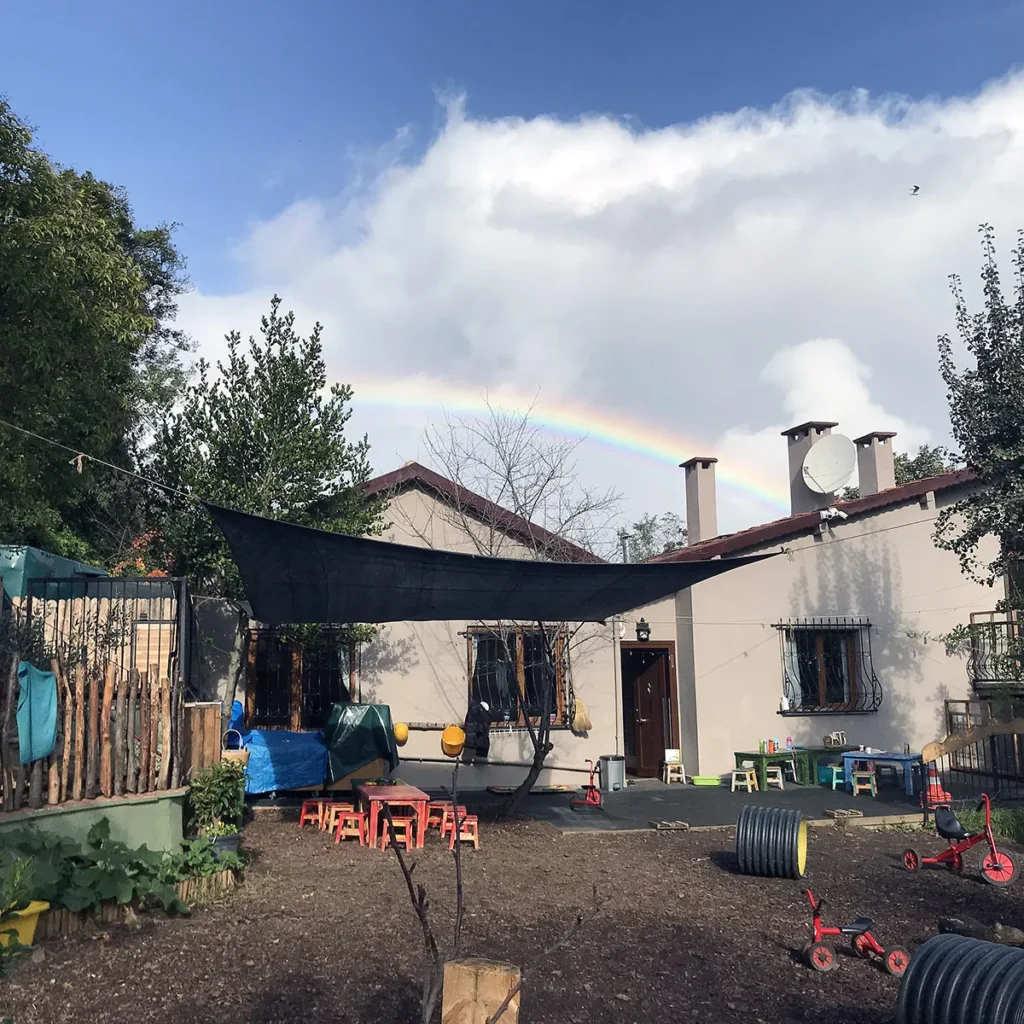
In order to recognize the learning opportunities in our entire environment, it is crucial that we respect the enormous learning ability of each individual child. Children are naturally curious and constantly seek answers to the most fundamental questions of existence by questioning what is happening around them. It helps them understand the world and themselves. Why does it rain? Where do the birds fly to? Why are some children taller and others shorter? Every question is valuable, especially those that arise from a specific moment. A rainbow appears, we find a dead animal in the garden, a water pipe bursts... whatever the experience, there is no more appropriate time to "teach" than the moment itself. After all, you have an attentive audience that asks questions and thus controls its own learning.
It is important to create a sense of equality. Instead of being traditional teachers who dictate "truths" or facts to children, we become facilitators through whom information flows and can then be interpreted by the child. Of course, there are many questions that can be answered factually or with logic and science, and there are many others where this is not possible.
How do we organize discussion groups with children?
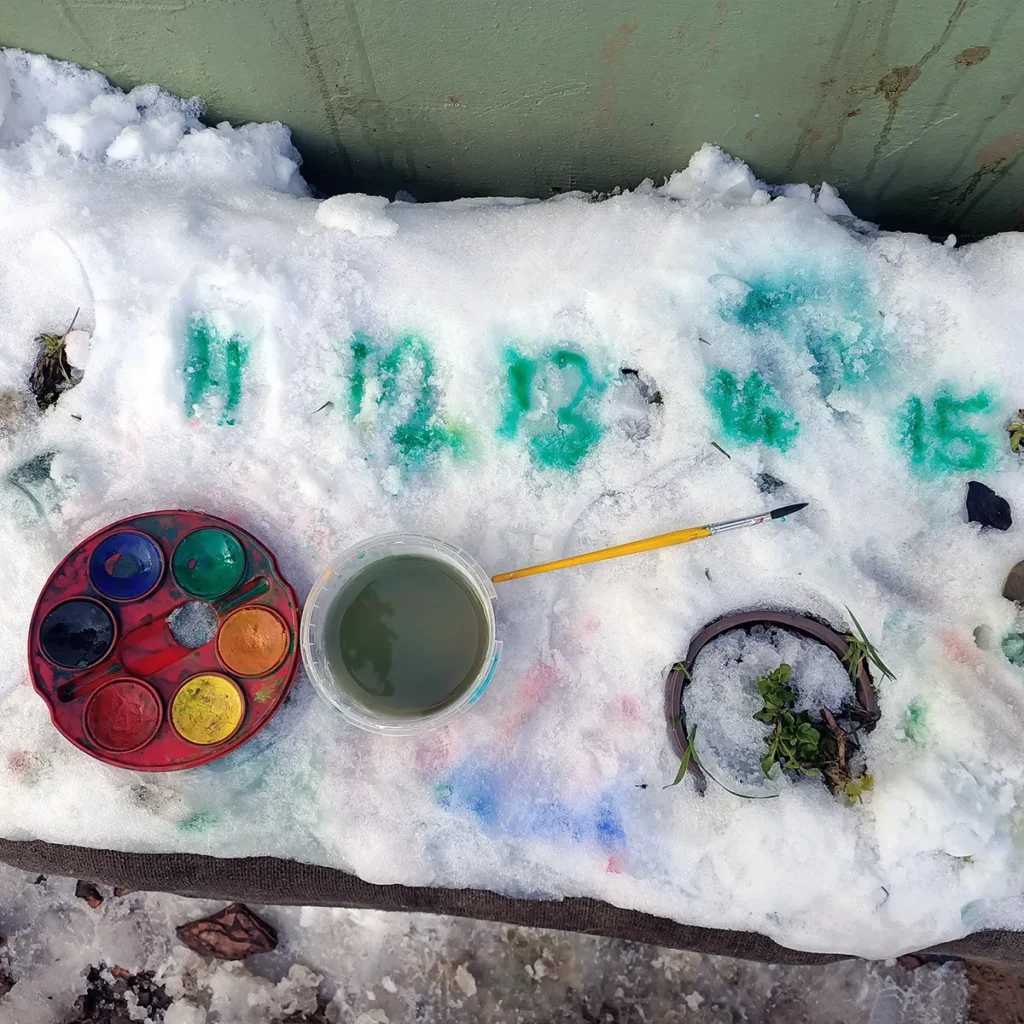
Children often perceive adults as omniscient. Nothing could be further from the truth. Acquiring knowledge, wisdom, and truth is a lifelong journey that never ends. Debunking the notion that adults are somehow all-knowing is an important way to encourage children's curiosity and free thinking. Instead of giving them definitive answers to their questions, we can discuss possibilities, debate ideas, and present different theories. We can learn together. A key point here is to enable children to develop and present their own theories. Questions about place, time, and weather are often the order of the day in the classroom. Why was it sunny yesterday and now it's snowing? Why is it night in Australia but day here? Instead of providing concrete answers, we challenge children to develop their own theories. Ask them their own questions: Why do you think it's snowing today? Open up a debate, gather ideas, discuss, conduct an experiment, take a vote, summarize, and, most importantly, support every theory that is put forward.
Flexibility is a prerequisite for this type of teaching and learning. The Early Birds Nest is a place that offers this flexibility. Our garden is full of life: flowers, vegetables, animals, people, insects... Life that is always moving, growing, flowing, adapting, and changing. Every day there are moments that surprise us, confuse us, make us sad, fill us with joy, make us laugh, or make us grumpy, and we make room for them. Because that is the essence of learning without limits.