




By Charlotte McAllister
Early Birds Istanbul employee & Author
What happens when you give a group of kindergarteners an empty kindergarten classroom, a few tools, and complete freedom to decide what they want to do? If you think "chaos" is the right answer, then you are partly right. But what really happens is pure magic... "Creative chaos" ensues , and while some of the ideas that emerge are both grandiose and bizarre... others are completely pragmatic, well thought out, logical, and designed to make life easier for the users, i.e., the children.
Although it may sound like an esoteric concept from a social experiment, project-based learning (PBL) with kindergarten-aged children is a truly remarkable way to empower children to teach themselves. It promotes problem-solving skills, cognitive development, free thinking, teamwork, and a sense of responsibility. When a team completes a project they have worked on together, it boosts the self-confidence and sense of responsibility of everyone involved, especially the children.
How does project-based learning work?
Here's an example: At the beginning of the kindergarten year, our group realized that we had no place to store our water bottles. That was a real dilemma! Can you really expect fifteen four-year-olds to keep track of their bottles during an eight-hour kindergarten day? Especially when we are constantly moving back and forth between different areas of the kindergarten. First, we deliberately let the children experience the problem for themselves. Of course, after a few days, the children became increasingly frustrated because they had to carry their bottles around with them all the time, and they were even more annoyed when they forgot them in a hidden corner of the garden. Two questions arose: How can we solve the problem and how can we implement the solution?
What do children learn through project-based learning?
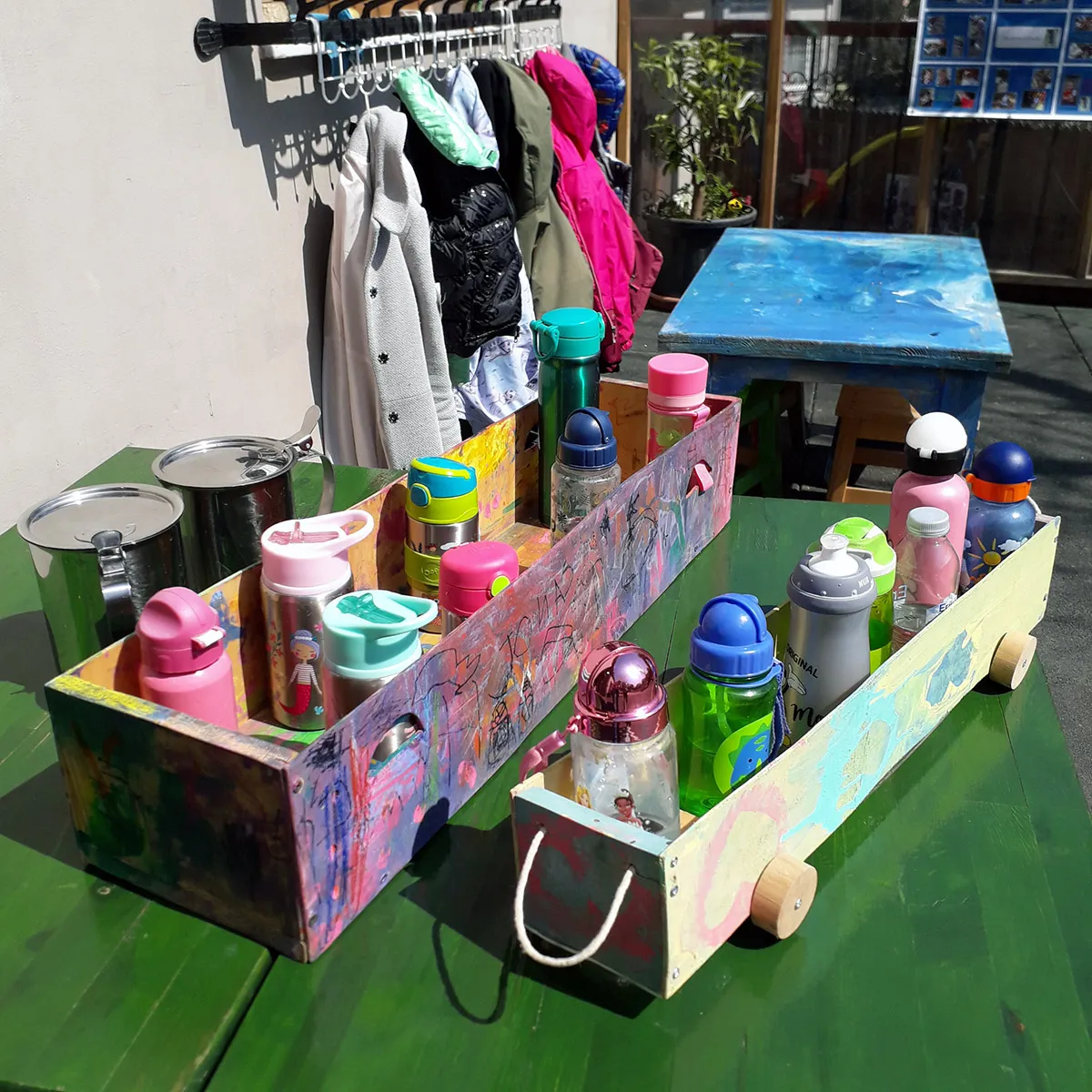
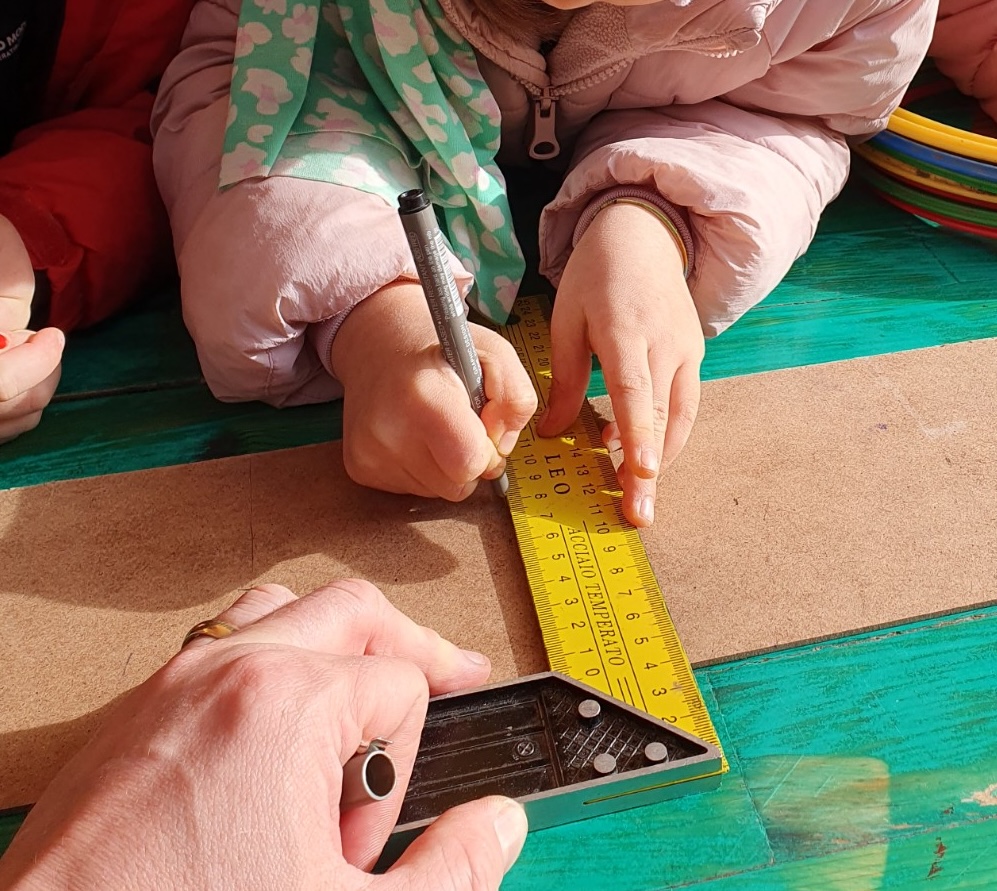
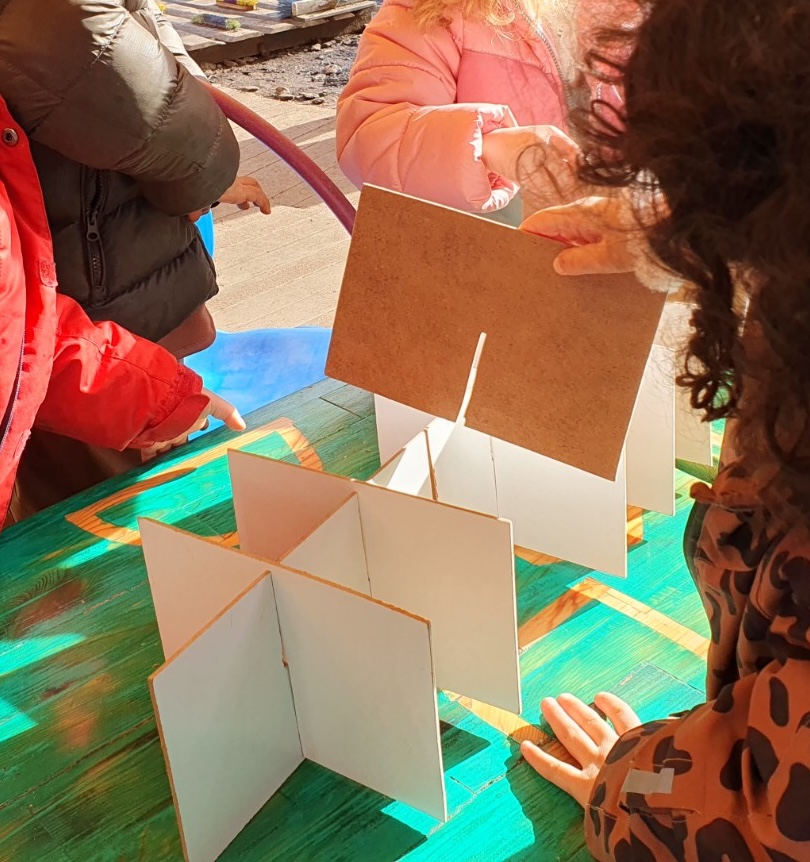
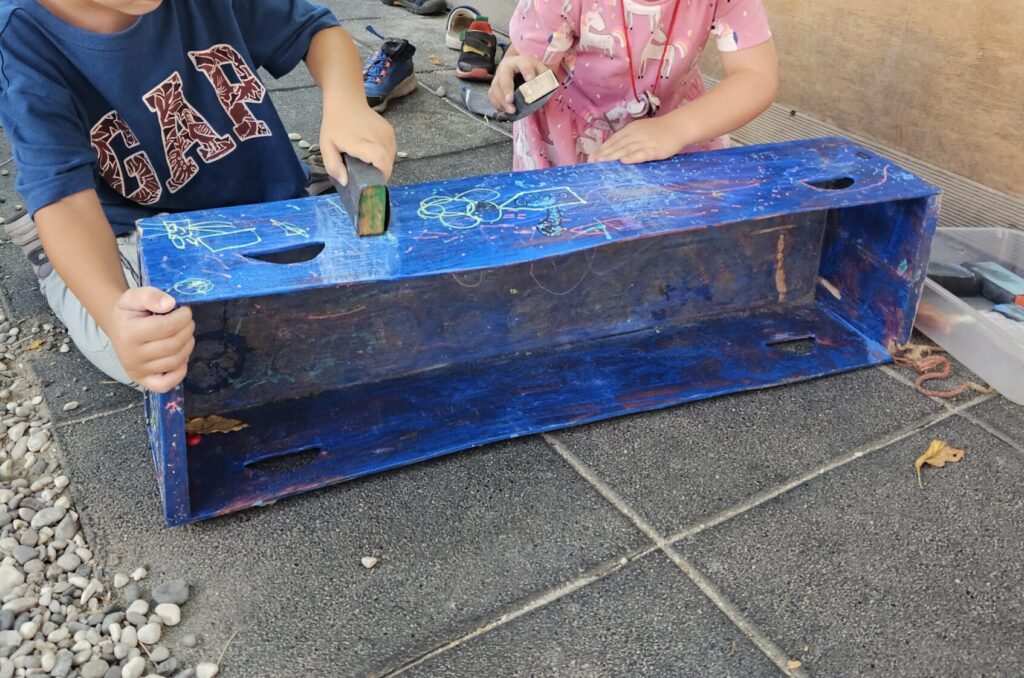
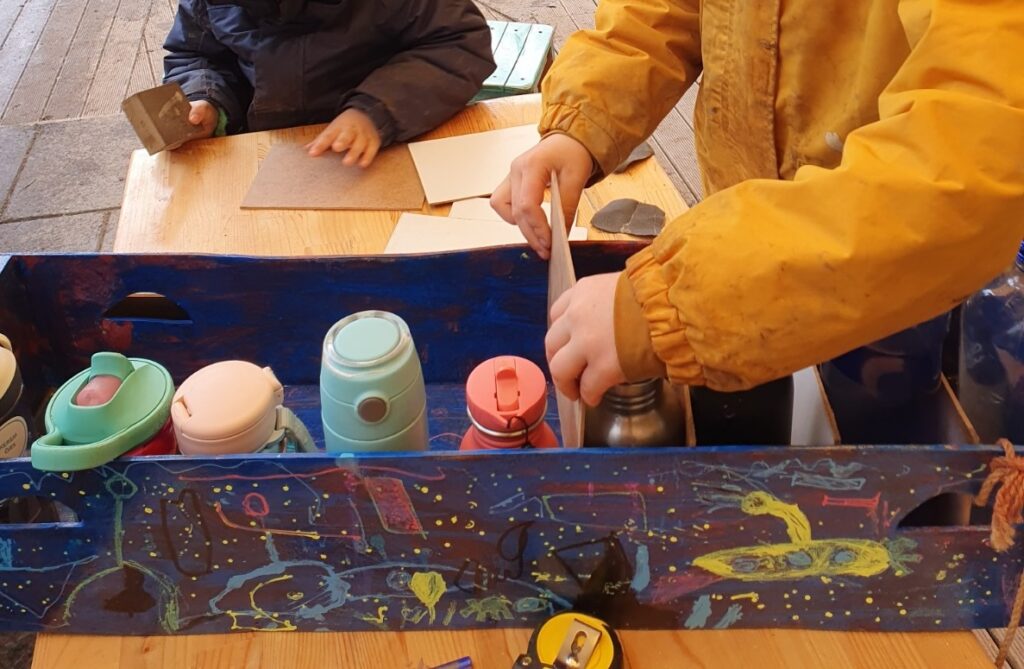
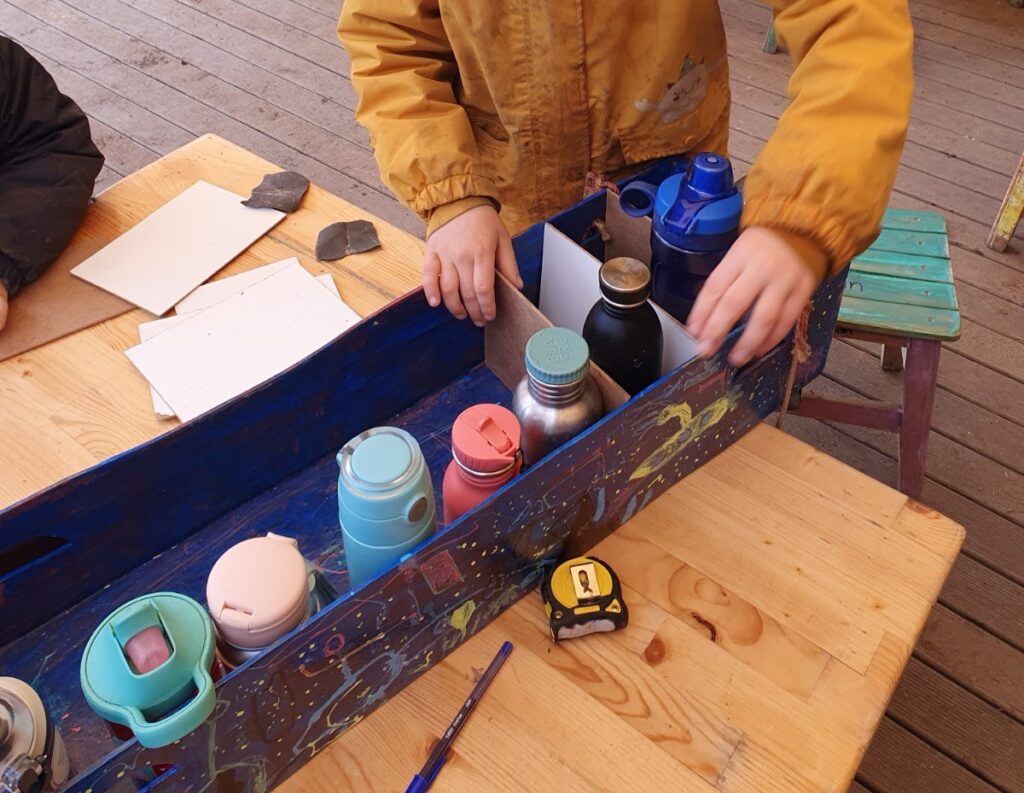
At this point, the stage belongs to the children, who brainstorm among themselves while the facilitators act merely as moderators. Once several ideas have been put forward, we work democratically and the children vote on the best idea. In this case, the winning idea was a wooden box with handles, painted and varnished. We considered what materials, tools, safety concerns, colors, patterns, size, etc. we would need, and then we got to work. We experimented with raw materials, built prototypes, practiced using measuring tapes, and talked about shapes and angles. Children can absorb this complex knowledge when they can apply it practically and use it to make something. One example is our water bottle station, which was used throughout the entire kindergarten year.
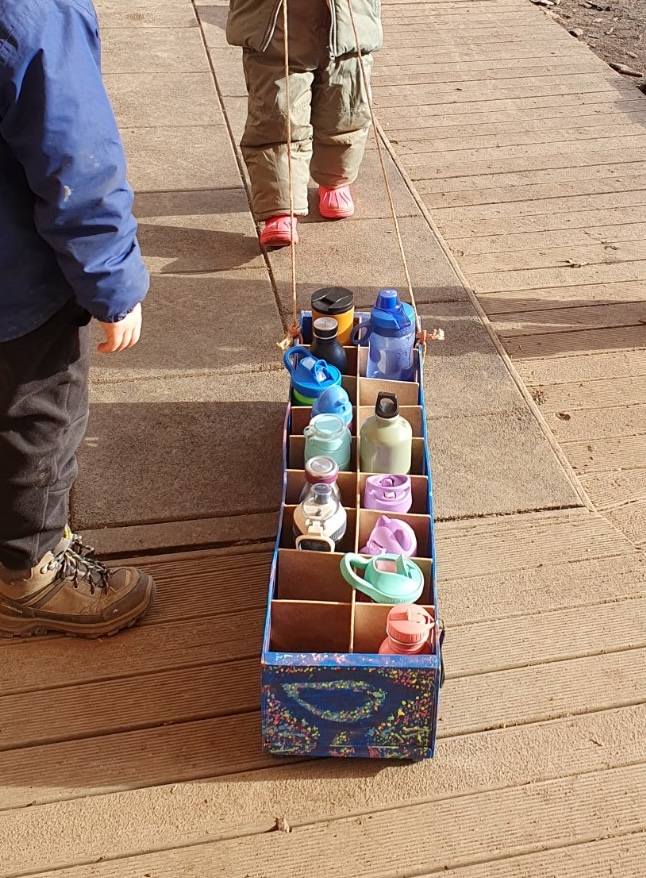
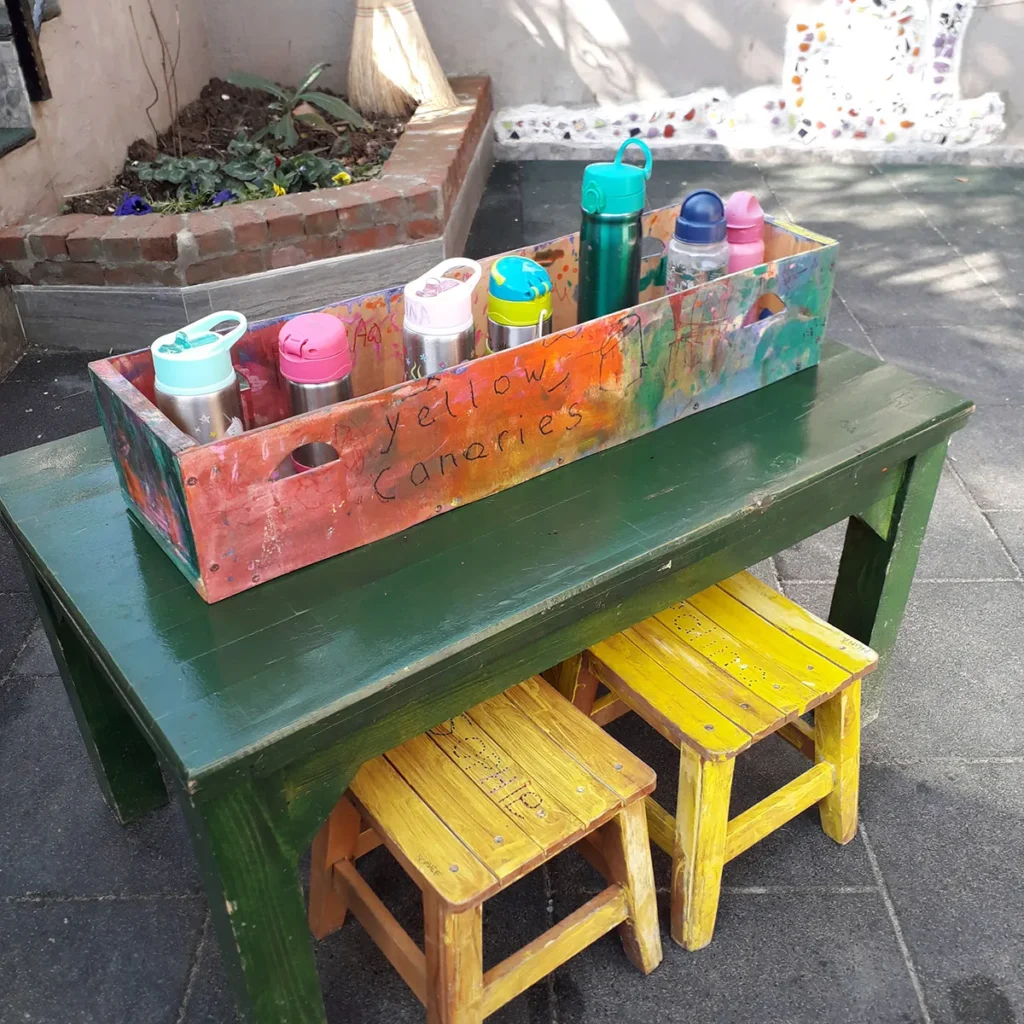
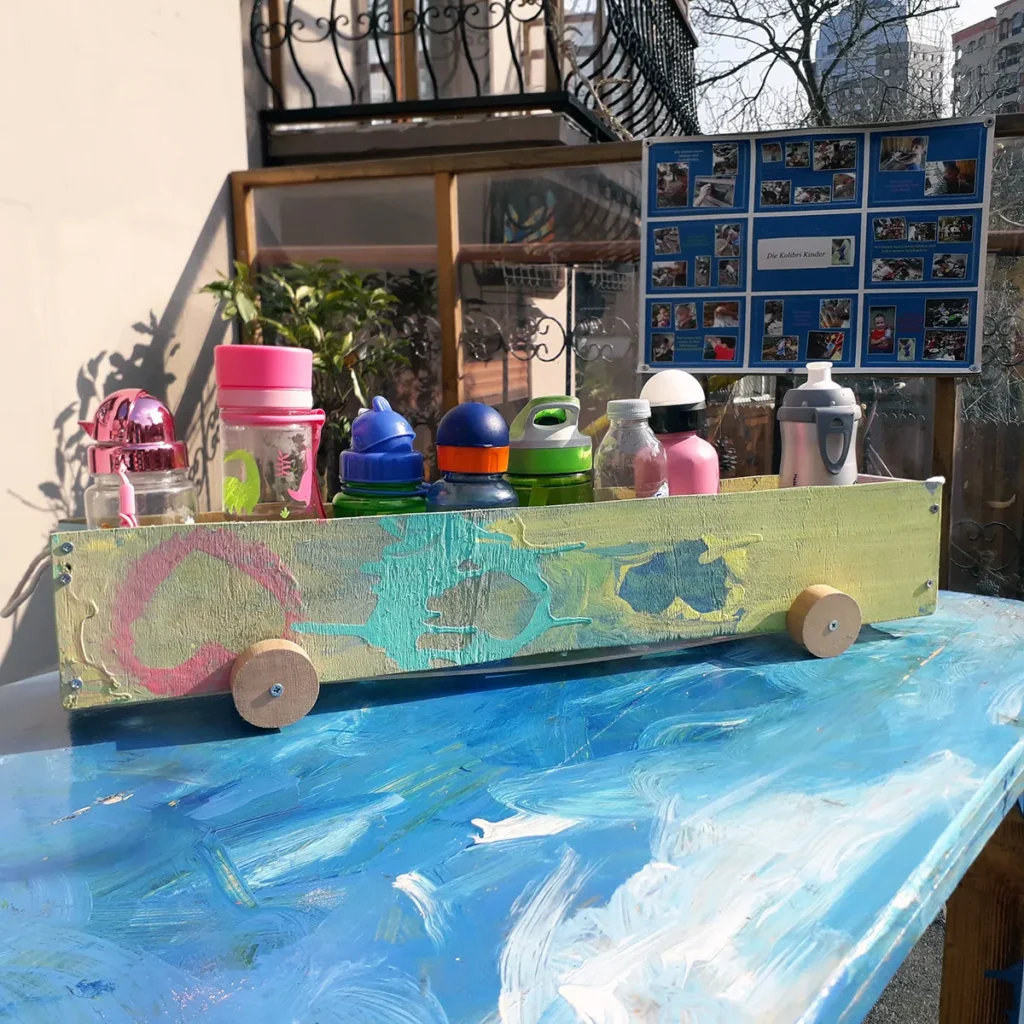
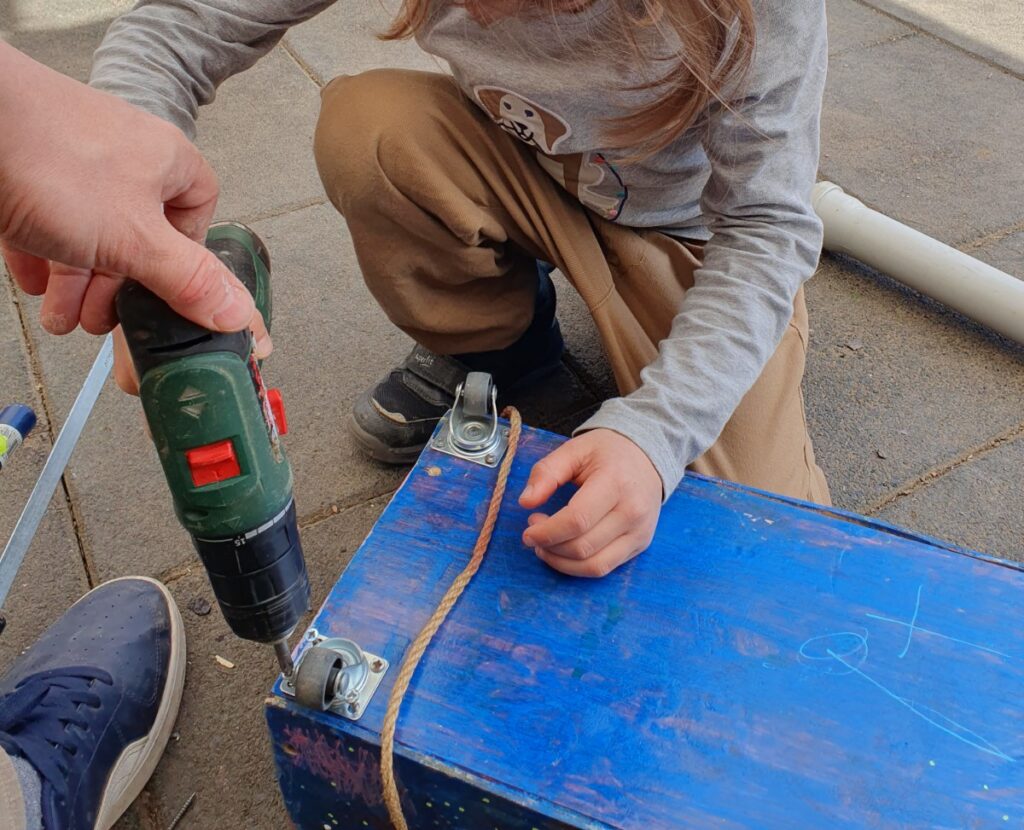
Under supervision and with support, we measured the wood, sanded it down, painted it, drew patterns, and then assembled it with a drill. Quality control was meticulous—the children were very thorough! The final step was to apply a thick coat of varnish to protect the water bottle station from moisture.
Each phase, from identifying the problem to completion, must proceed slowly and steadily to ensure that the project truly "belongs" to the children and that the learning objectives (mathematics, science, teamwork, problem solving, etc.) are achieved.
Now, when we arrive at the kindergarten in the morning, the caregivers and children automatically place their water bottles in the colorfully painted station. We can carry it throughout the entire kindergarten and easily transport the bottles to wherever we need them. Mission accomplished!
Regardless of the project, whether large or small, the basic steps always remain the same. Giving children the space and freedom not only to recognize their own needs, but also to figure out how to meet them, is a valuable step toward self-realization and independence for everyone involved.